
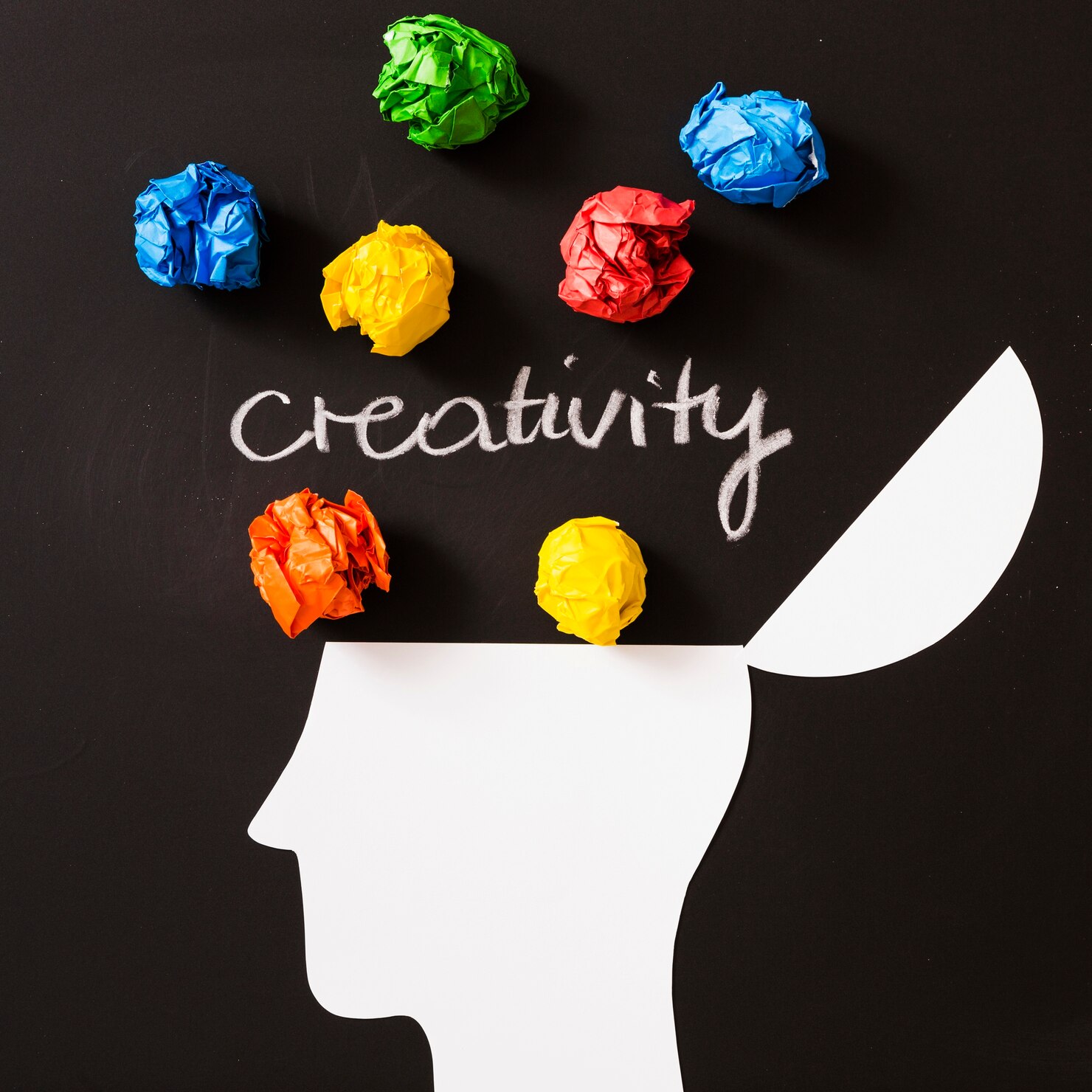
Creativity is often viewed as a soft skill — something nice to have, but not essential. In reality, creativity is one of the most powerful strategic advantages a business can develop. In fast-moving, competitive markets, the ability to think differently is what separates companies that adapt from those that fall behind.
Creativity Drives Better Strategy
At its core, strategy is about making choices. Creativity expands the range of possible options, helping leaders see opportunities others miss. It enables teams to reframe problems, challenge assumptions, and design solutions that are both innovative and practical.
Innovation Through Constraint
Some of the best ideas emerge under pressure. Constraints force clarity and focus, pushing teams to prioritize what truly matters. When creativity is applied within clear strategic boundaries, it leads to smarter execution and more meaningful results.
Building Creative Cultures
Creativity doesn’t thrive in rigid environments. High-performing organizations create space for experimentation, encourage diverse perspectives, and treat failure as a learning tool rather than a setback. Psychological safety and trust are essential for creative thinking to flourish.
Creativity in Action
When creativity is embedded into decision-making, it shows up everywhere — in product design, customer experience, marketing, and internal processes. It becomes a repeatable capability, not a one-time spark of inspiration.
The Takeaway
Creativity isn’t a replacement for strategy — it strengthens it. Organizations that treat creativity as a strategic discipline gain flexibility, resilience, and a lasting competitive edge. In a world defined by constant change, creative thinking is no longer optional — it’s essential.